Payby Prompt
The Payment Revolution — Voice, AI, and the Death of Checkout
The definitive guide to AI-powered payments — from voice-activated transactions and agentic finance to open banking APIs and the $11.6 trillion global payment transformation. Real tools, real data, real disruption.
Featured guides
Editor’s picks — start here, then browse by topic.
Can an agent pay this?
Five yes/no gates. Education only — not a wallet, not advice.
Tick the gates. Verdict appears here.
Cap sketch (education only)
Monthly ceiling × max single payment. Not a wallet.

Prompt payment vs agentic
UK invoice “prompt payment” (pay by the due date) is not the same as an AI agent sending money. How Pay By Prompt uses both phrases.
Read
Protocols map
A plain-English map of agentic commerce and payment protocols—ACP, AP2, x402, Machine Payments Protocol, and card-network agent programs.
Read
Cloudflare Wallets
What Cloudflare Wallets and cloudflare.pay mean for agent identity, virtual wallets, spend caps, and agentic commerce—as of the August 2026 announcement. Verify live status.
ReadAlso worth your time
Stripe & assistant commerce
Orientation on Stripe/OpenAI agentic commerce patterns (ACP lineage), Instant Checkout experiments, and what builders should verify.
x402 payments
x402 as HTTP-native machine payments for agents—how micropayments attach to requests, why it matters for APIs and content, and what to verify.
Merchant readiness
How merchants prepare to get paid by AI agents—machine-readable offers, acceptance rails, and operational controls.
Consumer checkout
How consumers encounter agentic checkout in assistants and browsers—benefits, failure modes, and safety habits.
Spend controls
Practical spend control patterns for AI agents that pay—caps, allowlists, dual control, audit logs, and incident response.
Providers
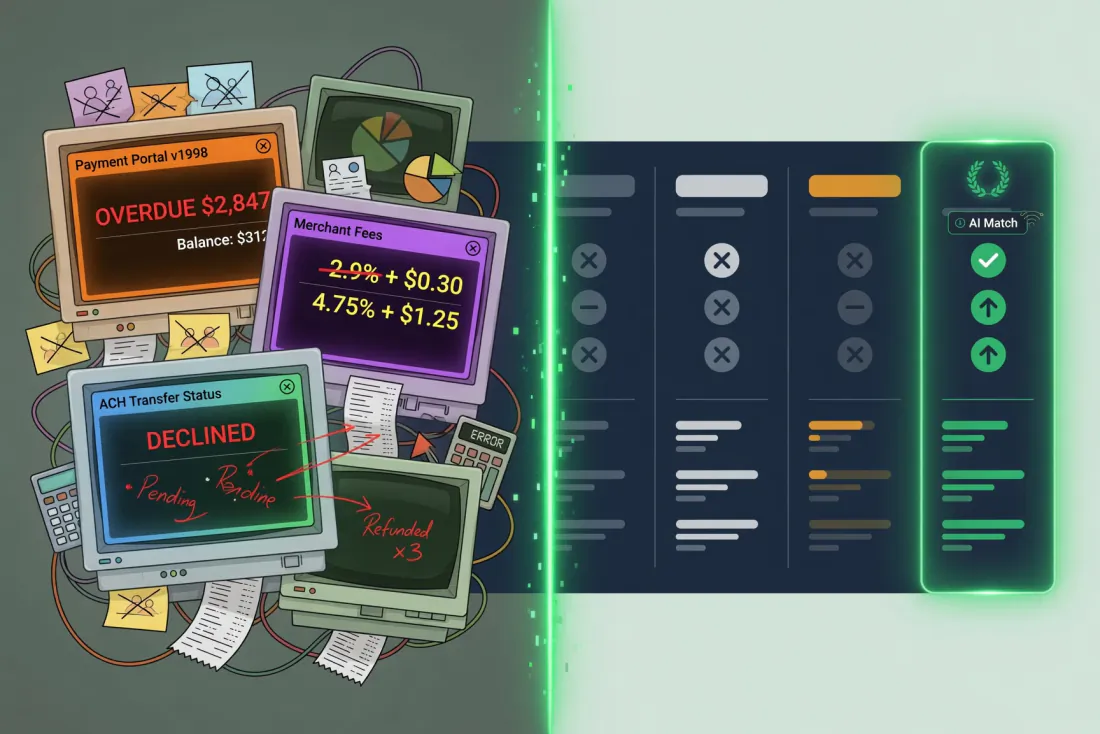
Stripe vs. Square vs. PayPal vs. Wise: interchange rates, processing speed, international capabilities, and monthly cost comparison.
Start Here
4 guides Prompt payment vs agentic UK invoice “prompt payment” (pay by the due date) is not the same as an AI agent sending money. How Pay By Prompt uses both phrases. Open  Prompts Copy-paste prompts for voice payments, bill negotiation, budgeting, expense tracking, investment analysis, and agentic finance — organized by skill level. Open
  Guide Step-by-step guide to voice payments, AI bill management, agentic finance, and building your prompt-powered payment workflow. Open
  Tools The definitive guide to every AI payment platform worth knowing — from consumer voice payments to enterprise agentic finance. Open
 Agentic Stack
7 guides Cloudflare Wallets What Cloudflare Wallets and cloudflare.pay mean for agent identity, virtual wallets, spend caps, and agentic commerce—as of the August 2026 announcement. Verify live status. Open  x402 payments x402 as HTTP-native machine payments for agents—how micropayments attach to requests, why it matters for APIs and content, and what to verify. Open Protocols map A plain-English map of agentic commerce and payment protocols—ACP, AP2, x402, Machine Payments Protocol, and card-network agent programs. Open
  Card network agent pay How card networks approach agentic payments—Agent Pay style programs, tokenized credentials, and what merchants should watch. Open
  Stripe & assistant commerce Orientation on Stripe/OpenAI agentic commerce patterns (ACP lineage), Instant Checkout experiments, and what builders should verify. Open
  Current state What is live now in conversational payments, where adoption is real, and where risk and regulatory friction still limit automation. Open
  Idempotency Why idempotency keys matter when software agents pay—retries, double charges, and practical API patterns. Open
 Merchants
4 guides Merchant readiness How merchants prepare to get paid by AI agents—machine-readable offers, acceptance rails, and operational controls. Open
  Providers Stripe vs. Square vs. PayPal vs. Wise: interchange rates, processing speed, international capabilities, and monthly cost comparison. Open
  Agent refunds Merchant and platform patterns for refunds and responsibility when AI agents initiate checkout. Open
  Observability Metrics, logs, and alerts for teams running agents that spend—SLOs, anomaly detection, and operator dashboards. Open
 Consumer
2 guides
Risk
6 guides Spend controls Practical spend control patterns for AI agents that pay—caps, allowlists, dual control, audit logs, and incident response. Open
  Fraud & chargebacks Identify fraud risk, prevent chargebacks, manage disputes, and minimize fraud losses as a payment processor or merchant. Open
  Regulatory watch Neutral tracking of payment regulation and standards that affect merchants, platforms, and AI-enabled checkout workflows. Open
  Human in the loop When to require human approval before agents spend—thresholds, UX patterns, and audit trails that survive disputes. Open
  Mistakes The most common and costly mistakes people make with voice payments, AI financial tools, and automated money management — and exactly how to prevent each one. Open
  Wallet recovery Team custody patterns for payment wallets and API keys used by agents—recovery, rotation, and least privilege. Open
 Library
8 guides FAQ Everything you need to know about paying by prompt — security, privacy, limitations, and what's ahead. Open
  Glossary A plain-language glossary of every payment, fintech, and AI finance term you'll encounter — from ACH to zero-knowledge proofs. Open
  Ops security kit Editorial desk kit for payment operators—FIDO2 keys, privacy screens, locks, and notebooks—with an Amazon link on every named product, for agentic commerce safety. Open
  History From trading cattle to commanding AI agents — the complete 10,000-year evolution of money, payments, and financial technology. Open
  Security keys Hardware security keys for dual-control payment approvals — an Amazon link on every named key. Open
  Future Where prompt-based payments are heading — autonomous financial agents, biometric commerce, ambient payments, and the end of the checkout. Open
  Desk privacy Privacy screens, cable locks, and webcam covers for payment operators. Open
  Editorial Who publishes Pay By Prompt, our agentic-payments thesis, and how we update coverage — Tabaconda LLC, Florida, USA. Open